
Common Misconceptions About Smart Home Thermostats


Understanding Smart Home Thermostats
Smart home thermostats have revolutionized the way we manage our home environments, promising increased efficiency and convenience. However, several misconceptions persist about these devices, leading to confusion and sometimes reluctance to adopt the technology.
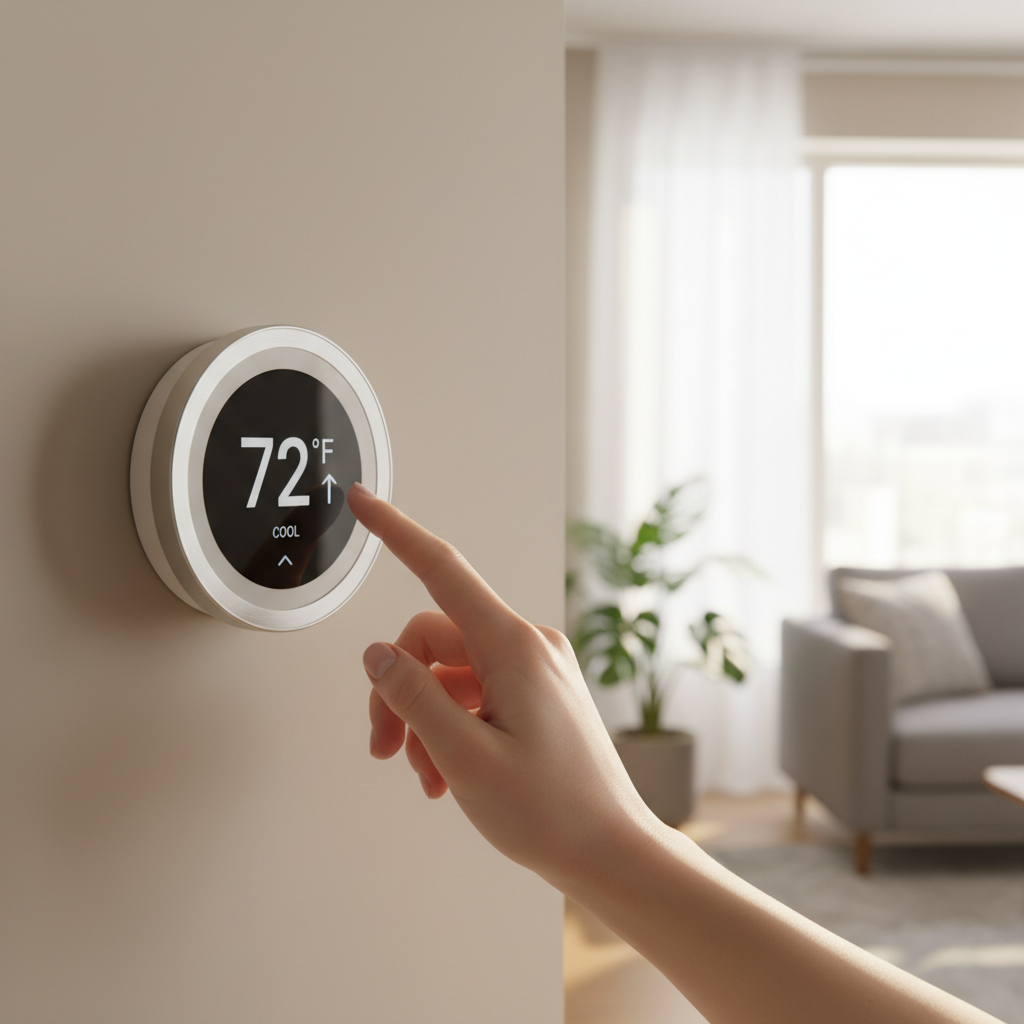
Misconception 1: Difficult to Install
One common misconception is that smart thermostats are challenging to install. In reality, many models are designed for easy installation, often requiring merely a few simple steps. Most manufacturers provide comprehensive guides and online resources to assist users. Additionally, professional installation services are available if needed.
Misconception 2: Only for Tech-Savvy Users
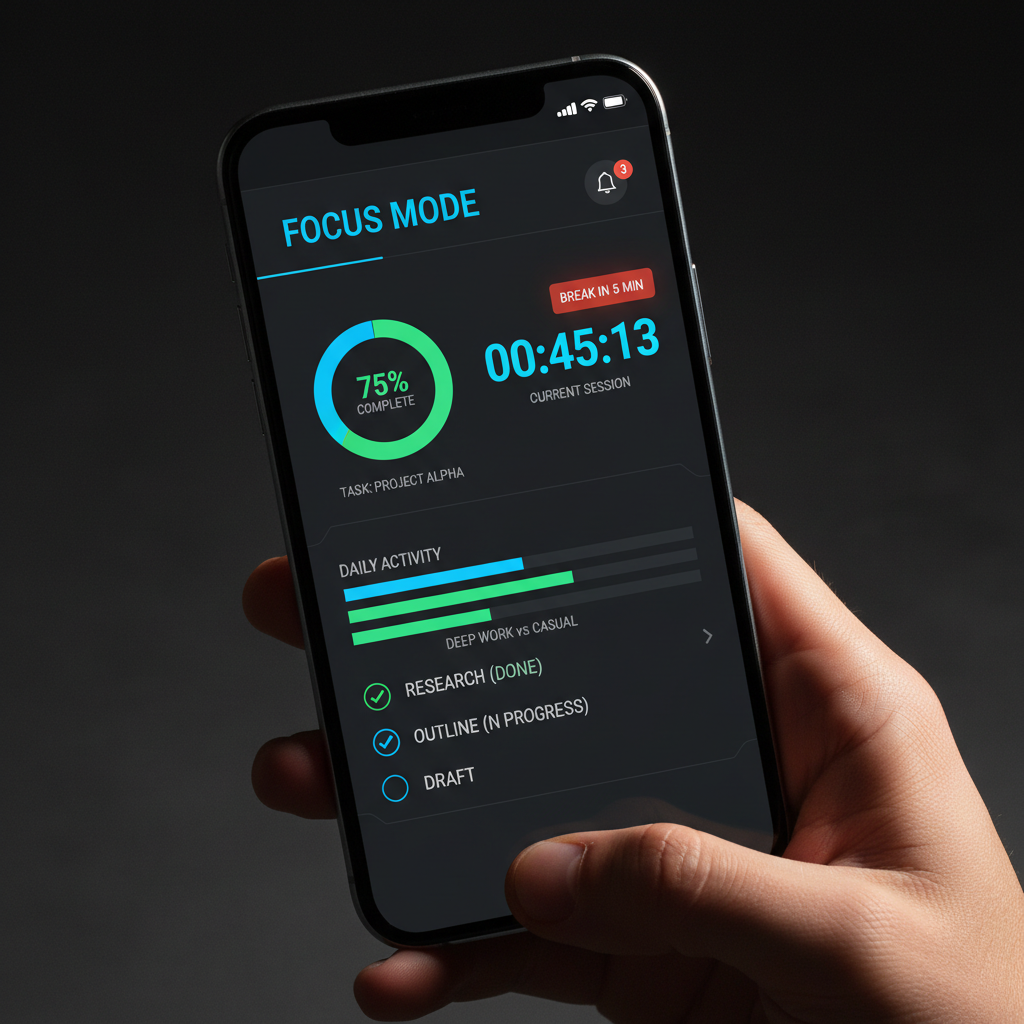
Another frequent myth is that smart thermostats are only suitable for tech-savvy users. While it's true that these devices come with advanced features, most are user-friendly and designed with intuitive interfaces. Many models can be controlled through smartphone apps, making them accessible to users of all ages and tech abilities.
Benefits Beyond Temperature Control
Smart thermostats offer more than just temperature control. They can learn your schedule and preferences, optimizing energy use and reducing utility bills. Some models even provide energy usage reports, helping homeowners make informed decisions about their energy consumption.
Misconception 3: High Cost with Little Return
There's a belief that smart thermostats are expensive with minimal return on investment. While the initial cost may be higher than traditional thermostats, the energy savings over time usually offset the purchase price. In fact, many users report noticeable reductions in their energy bills within the first year.
Misconception 4: Invasion of Privacy
Concerns about privacy are often cited as barriers to adopting smart home technology. Many worry that these devices might compromise personal data. However, reputable manufacturers prioritize user privacy and incorporate robust security measures to protect data. It's essential to choose devices from trusted brands and keep software updated.

Conclusion
Smart home thermostats offer a range of benefits, from improved energy efficiency to increased comfort. By debunking common misconceptions, homeowners can make informed decisions and fully leverage the advantages these innovative devices provide. As technology continues to advance, smart thermostats will likely become an integral component of modern homes.