
Comparing Heating Systems: Which is Best for Your West Chester Home?


Choosing the right heating system for your West Chester home is crucial for comfort and energy efficiency. With various options available, it's essential to understand the differences and benefits of each system. Here, we compare the most popular heating systems to help you make an informed decision.
Furnace Heating Systems
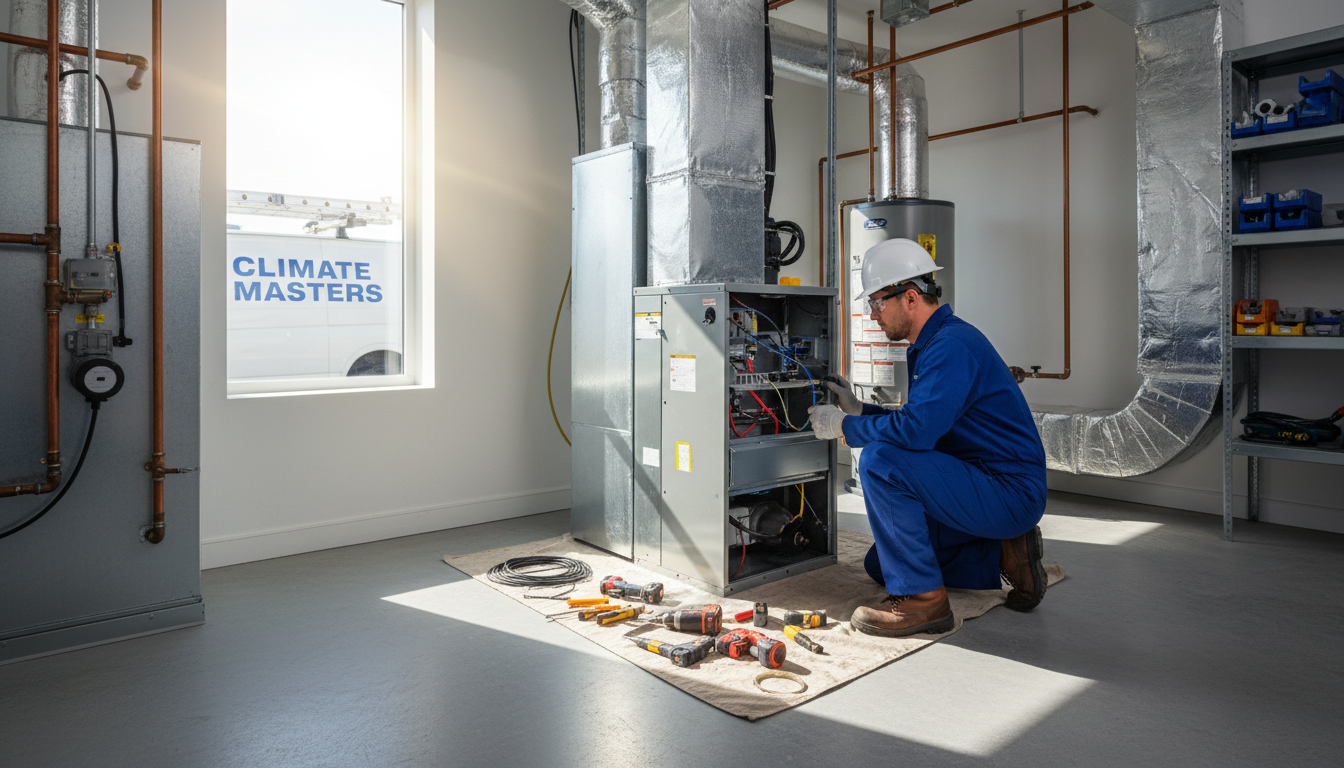
Furnaces are a common choice for many homeowners. They heat air and distribute it throughout the house using ducts and vents. Furnaces can be powered by gas, electricity, or oil. Gas furnaces are typically the most cost-effective option due to lower fuel costs, but electric furnaces offer easier installation and maintenance.
The efficiency of a furnace is measured by its AFUE (Annual Fuel Utilization Efficiency) rating. A higher AFUE rating means greater efficiency. Modern furnaces can have AFUE ratings as high as 98%, making them a highly efficient option.
Pros and Cons of Furnaces
One of the main advantages of furnaces is their ability to heat a home quickly. However, they may cause uneven heating if ductwork is not properly balanced. Additionally, ducts can be a source of heat loss, impacting overall efficiency.
Heat Pumps
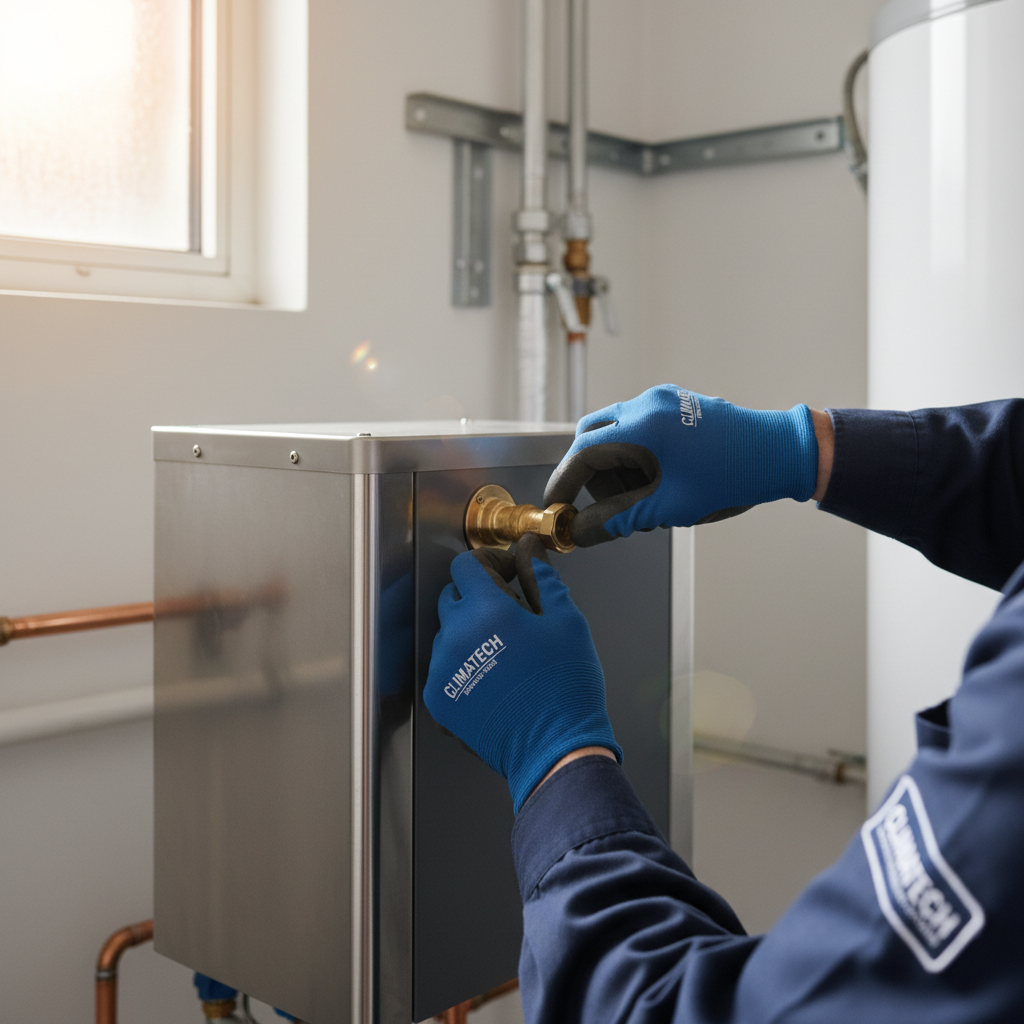
Heat pumps are versatile systems that provide both heating and cooling. They work by transferring heat rather than generating it, making them energy-efficient. In mild climates, air-source heat pumps are a popular choice, while geothermal heat pumps suit areas with extreme temperatures.
The main advantage of heat pumps is their efficiency. They can reduce electricity use by 50% compared to electric resistance heating. However, they may be less effective in very cold climates without a supplementary heating source.
Types of Heat Pumps
- Air-source heat pumps: Ideal for moderate climates and offer both heating and cooling.
- Geothermal heat pumps: Use the earth's stable temperature for efficient heating and cooling.
Boilers
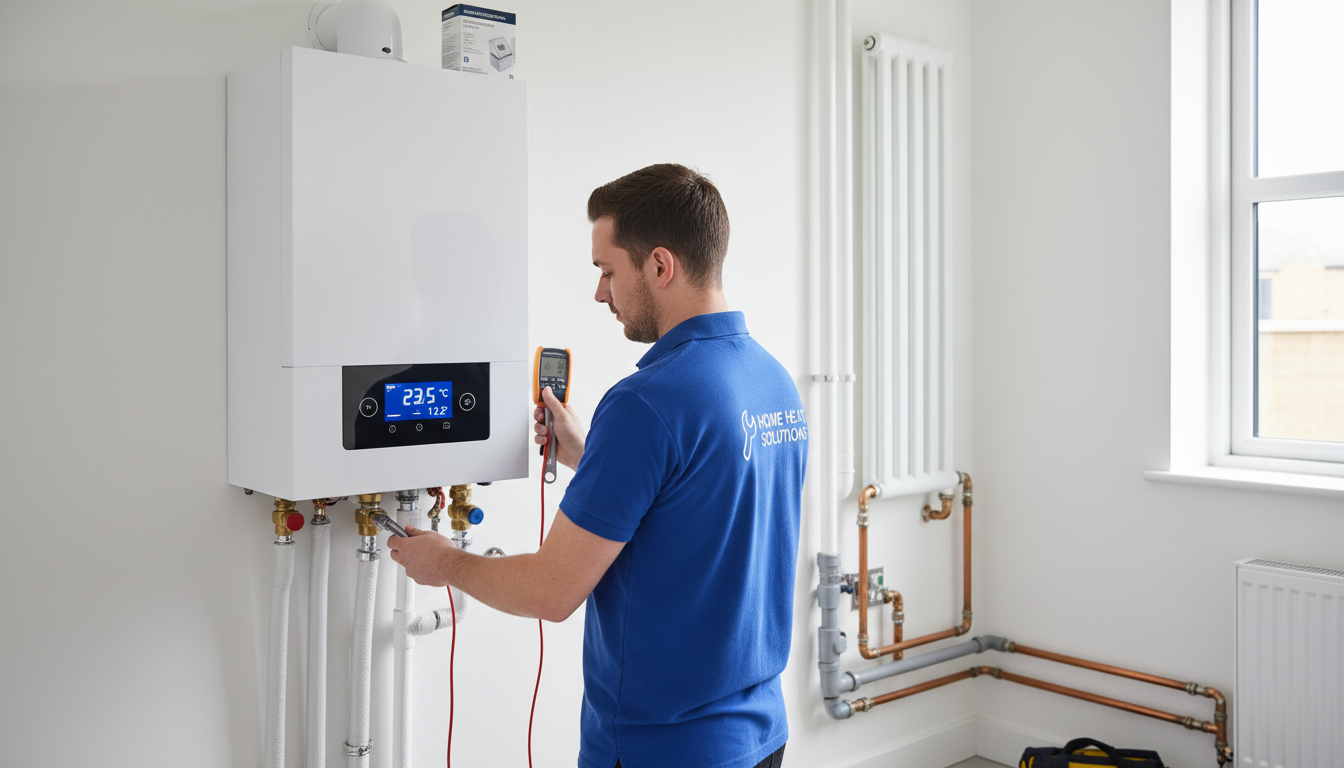
Boilers heat water to provide either hot water or steam for heating. They can be powered by natural gas, oil, or electricity. Boilers often provide more consistent and comfortable heat compared to forced-air systems.
One significant benefit of boilers is their durability and longevity, with many systems lasting over 30 years. However, installation can be more complex and costly compared to other systems.
Advantages of Boiler Systems
Boilers can offer more even heating and are typically quieter than furnaces. Additionally, they don't require ductwork, which can be an advantage in homes without existing ducts.
Radiant Heating
Radiant heating systems involve installing heated panels in the floor, walls, or ceilings. These systems provide direct heat to occupants and objects in a room, creating a comfortable environment with consistent temperatures.
While radiant heating can be highly efficient and comfortable, the installation costs can be high, especially for retrofitting an existing home. They are often best suited for new construction or major renovations.

Conclusion
Each heating system has its own set of benefits and considerations. When choosing a system for your West Chester home, consider factors such as climate, budget, and existing infrastructure. Consulting with a professional can also provide valuable insights tailored to your specific needs.