
Comparing HVAC Systems: Traditional vs. Eco-Friendly Options


When it comes to heating, ventilation, and air conditioning (HVAC) systems, homeowners have more choices than ever before. As environmental concerns continue to grow, many are considering whether to stick with traditional HVAC systems or explore eco-friendly options. This decision can significantly impact both your wallet and the environment.
Traditional HVAC Systems
Overview
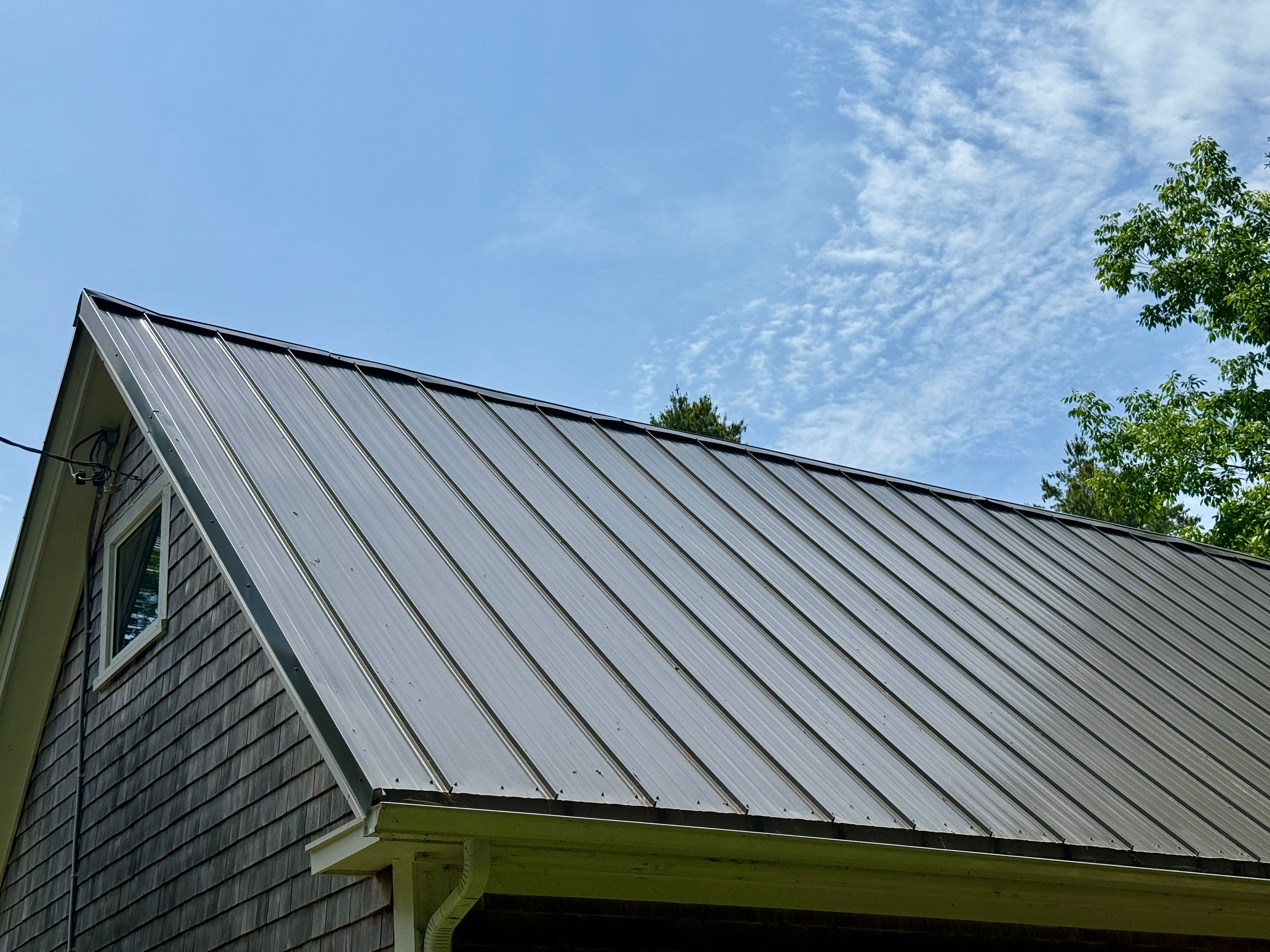
Traditional HVAC systems have been around for decades and are often the go-to choice for many homeowners. They typically rely on fossil fuels like natural gas or oil to generate heat and use electricity for cooling. These systems are known for their reliability and effectiveness in maintaining comfortable indoor temperatures.
Advantages
Some of the key benefits of traditional HVAC systems include:
- Proven Reliability: These systems have a long track record of performance and are generally well-understood by technicians.
- Initial Cost: Often, traditional systems have a lower upfront cost compared to newer technologies.
- Availability: Parts and services are widely available, making maintenance and repairs more convenient.
Eco-Friendly HVAC Options
Overview
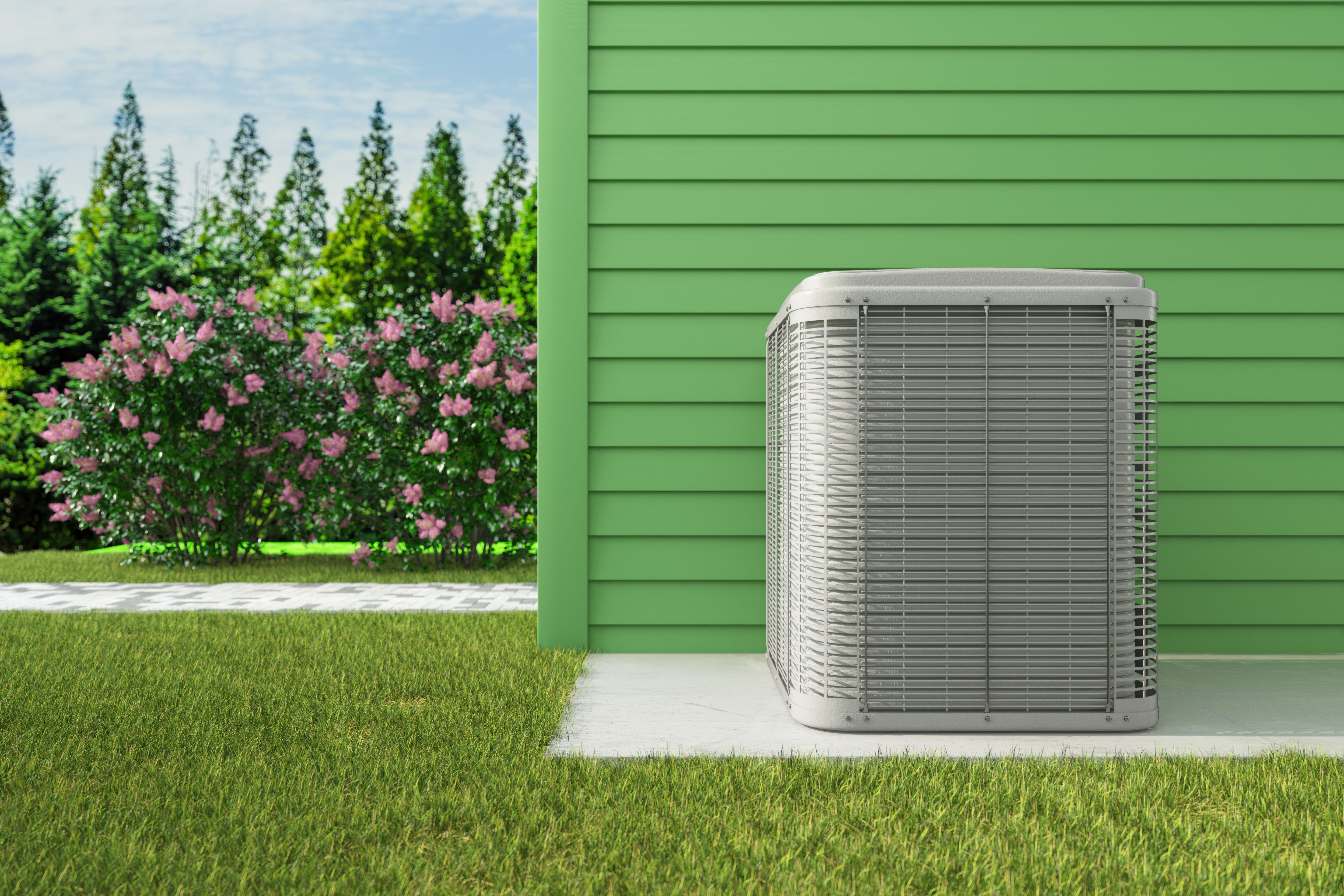
Eco-friendly HVAC systems prioritize energy efficiency and reduced environmental impact. Popular options include geothermal heat pumps, solar-powered systems, and ductless mini-splits. These systems often use renewable energy sources or more efficient technologies to reduce carbon footprints.
Benefits
Eco-friendly HVAC systems offer several advantages:
- Energy Efficiency: These systems typically consume less energy, which can lead to significant savings on utility bills.
- Environmental Impact: By leveraging renewable resources, eco-friendly systems contribute to lower greenhouse gas emissions.
- Incentives: Many governments offer tax credits or rebates to homeowners who install energy-efficient systems.
Comparing Costs
When comparing traditional and eco-friendly HVAC systems, it's essential to consider both initial costs and long-term savings. While traditional systems may have a lower initial price, eco-friendly systems can provide savings over time through reduced energy bills.

It's also worth noting that eco-friendly systems often require specialized installation and may have higher maintenance costs. However, the environmental benefits and potential for energy savings can outweigh these expenses in the long run.
Making the Right Choice
Choosing between traditional and eco-friendly HVAC systems depends on various factors, including budget, environmental priorities, and home characteristics. Homeowners should consider their long-term energy goals and consult with HVAC professionals to determine the best fit for their needs.
Regardless of the choice, investing in a high-quality HVAC system is crucial for ensuring comfort and efficiency in your home. By weighing the pros and cons of each option, you can make an informed decision that aligns with your values and financial objectives.