
DIY Plumbing Tips: When to Tackle It Yourself and When to Call a Pro


Understanding Your Limits
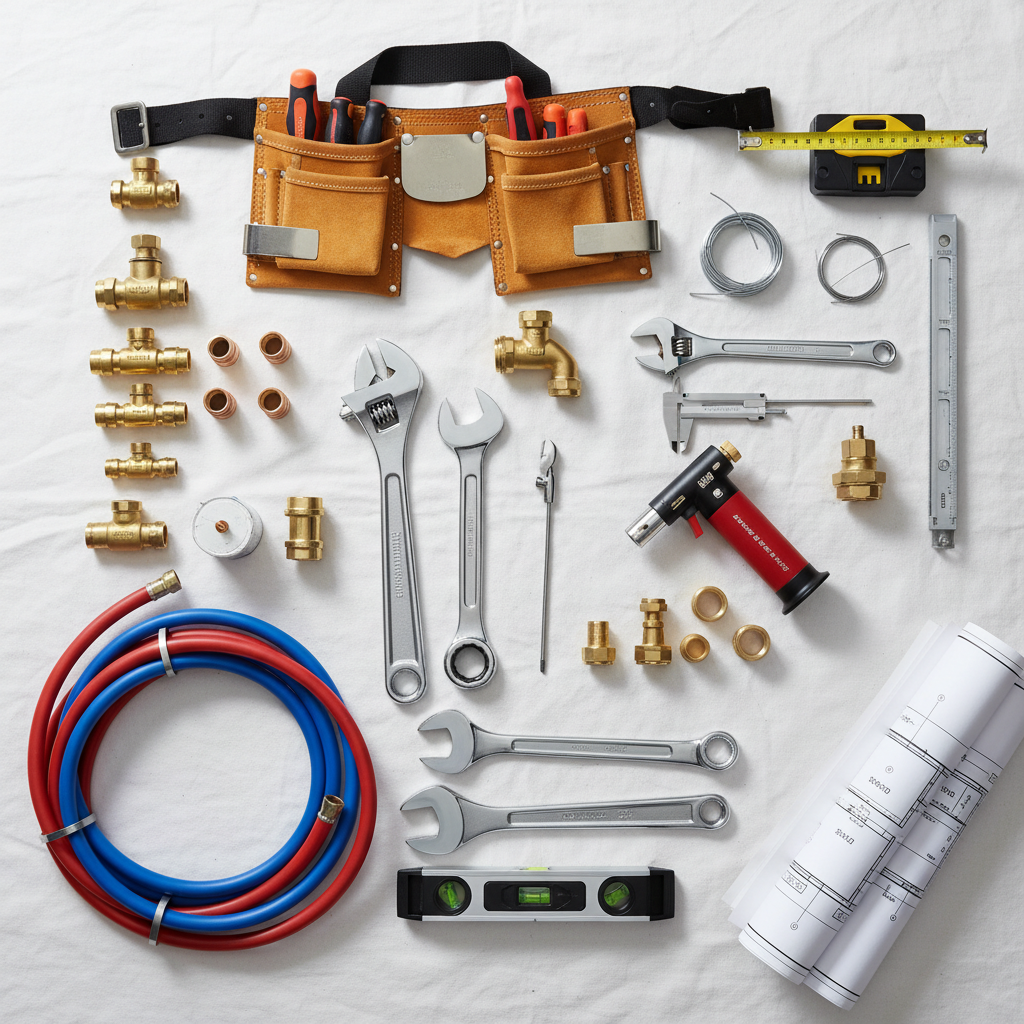
DIY plumbing can be a great way to save money and learn new skills. However, it's essential to understand your limits before diving into repairs. Simple tasks like unclogging drains or fixing a leaky faucet can often be handled with basic tools and some patience.
Before you begin, assess whether you have the necessary tools and knowledge. If you find yourself unsure, it might be advantageous to consult online tutorials or guides. Remember, the key is knowing when a problem is beyond your capabilities.
Common DIY Plumbing Tasks
Fixing Leaky Faucets
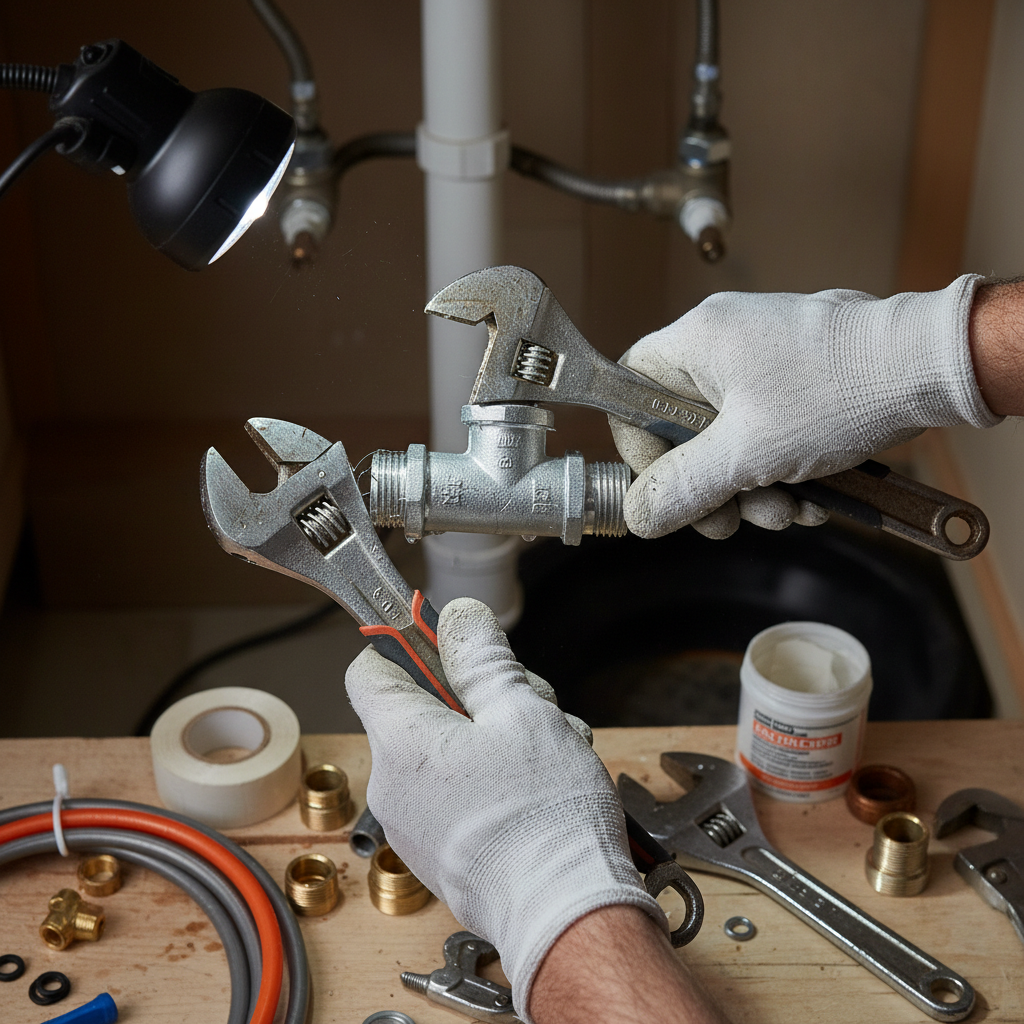
One of the most common plumbing issues is a leaky faucet, which can often be fixed by replacing the washer or seal. Start by turning off the water supply and disassembling the faucet to locate the problem. This task typically requires a screwdriver, wrench, and replacement parts.
Unclogging Drains
Clogged drains are another issue that many homeowners face. You can usually address minor clogs with a plunger or chemical drain cleaner. For deeper clogs, a drain snake might be necessary. Always follow safety instructions when using chemicals to avoid damage to pipes.
When to Call a Professional
Complex Installations
Tasks such as installing a new bathtub, shower, or water heater often require a professional touch. These projects can involve complex plumbing systems and might need advanced tools and expertise to ensure they’re done correctly and safely.
Major Leaks or Pipe Bursts
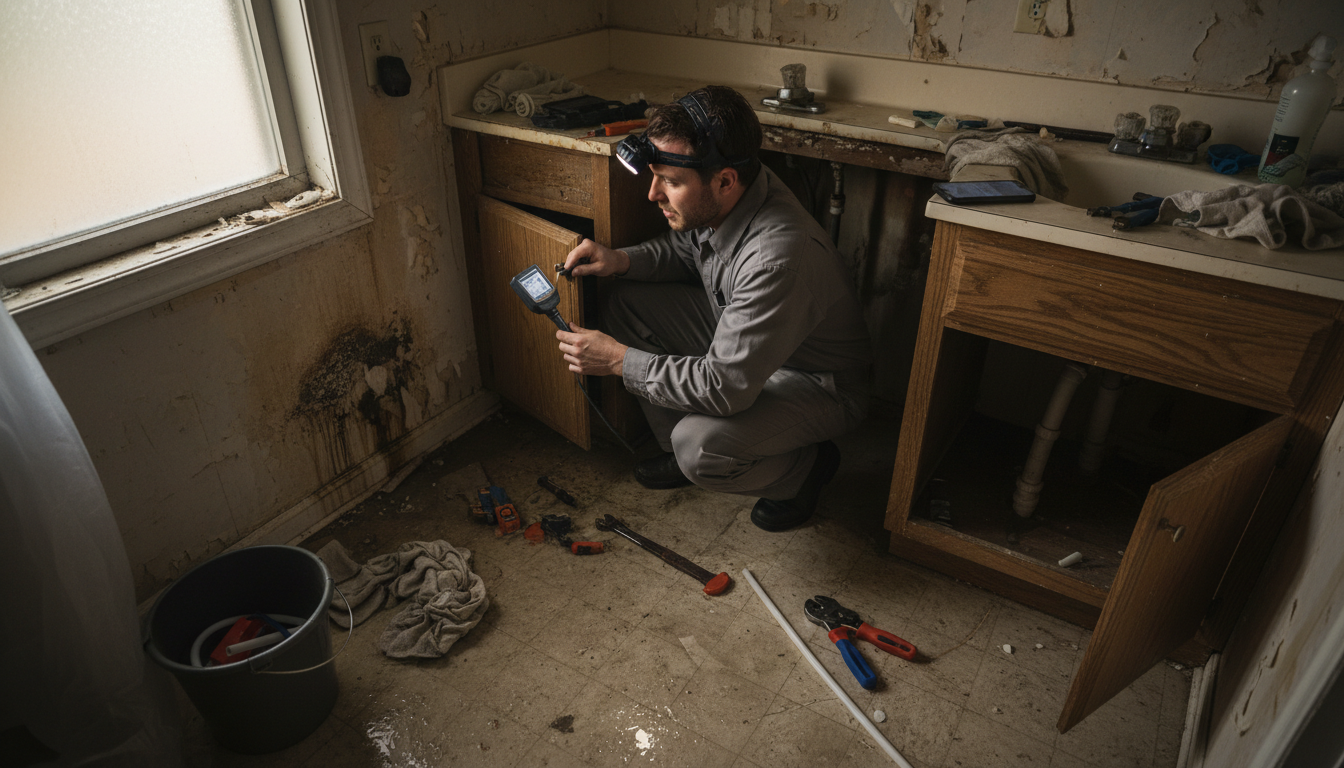
If you're dealing with a major leak or a burst pipe, it's crucial to call a professional immediately. These situations can result in significant water damage and potential mold growth if not addressed promptly. A licensed plumber will have the expertise to fix the issue efficiently.
Safety First
Plumbing tasks can involve risks, including water damage and injury. Always turn off the water supply before starting any repair and use protective gear when necessary. If at any point you feel out of your depth, stop and consult a professional.
Remember, while DIY projects can be rewarding, they should never compromise your safety or the integrity of your home. Balancing DIY enthusiasm with professional help is key to maintaining a well-functioning plumbing system.