
DIY Plumbing Tips for West Chester Homeowners: Avoiding Common Mistakes


Understanding Basic Plumbing Tools
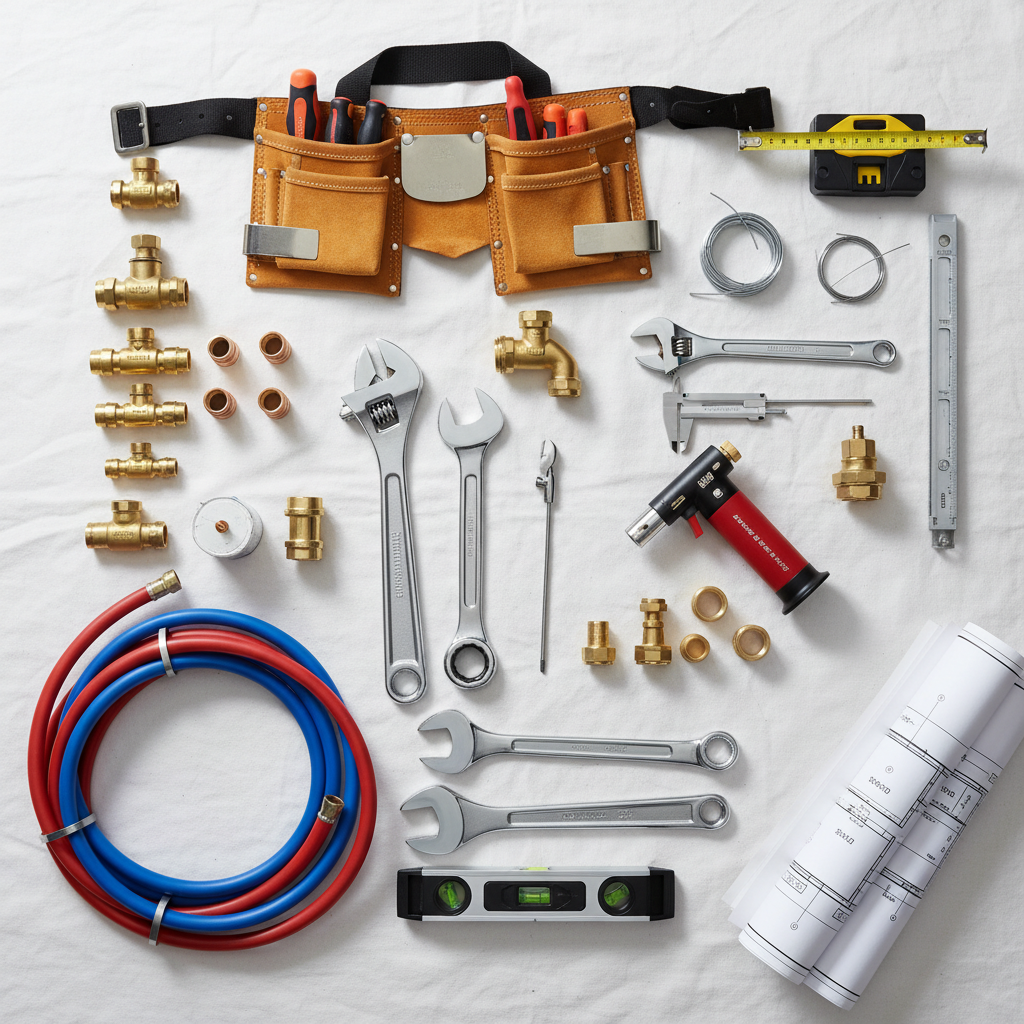
Embarking on a DIY plumbing project requires the right tools. Make sure your toolkit includes essentials like a wrench, pliers, tape, and a plunger. These basic tools can handle most minor plumbing tasks. Before starting, familiarize yourself with their usage to prevent any accidental damage.
Using Tools Correctly
Improper use of tools is a common mistake. Always ensure that you are using the right tool for the job. For instance, using pliers instead of a wrench can strip bolts and lead to leaks. Remember, a little patience goes a long way in ensuring a successful DIY project.
Identifying Leaks Early
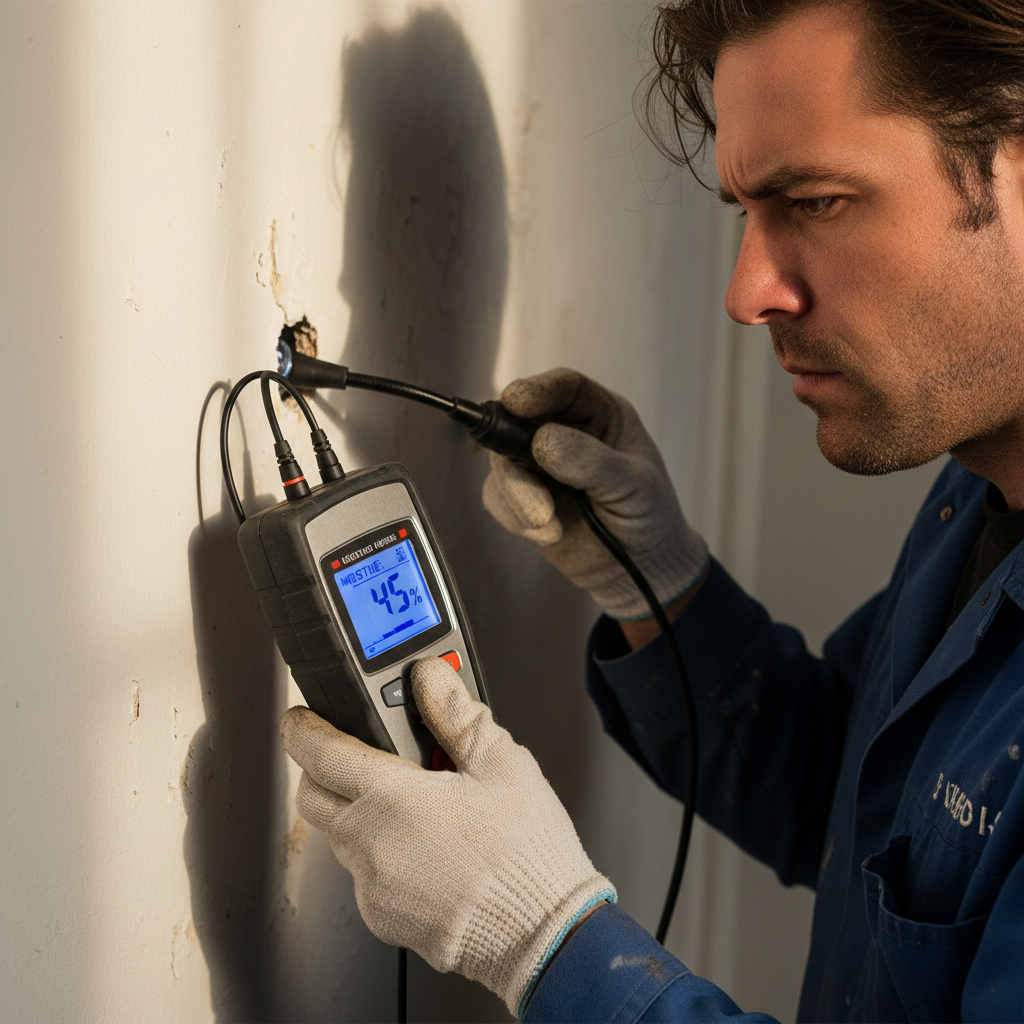
Leaks are often the first sign of plumbing issues. Regularly inspect pipes and faucets for any signs of dripping water. Catching leaks early can save you from more significant problems down the line. Use a flashlight to check under sinks and in dark corners where leaks might go unnoticed.
Quick Fixes for Minor Leaks
If you spot a leak, try tightening the joint with a wrench. For temporary solutions, plumber's tape can offer a quick fix until you can make a permanent repair. However, be cautious not to overtighten, as this can cause more damage.
Avoiding Drain Clogs
Clogged drains are a nuisance, but they can be avoided with regular maintenance. Refrain from pouring grease or coffee grounds down the sink, as these can solidify and cause blockages. Consider installing a drain strainer to catch hair and other debris.
Unclogging Drains Safely
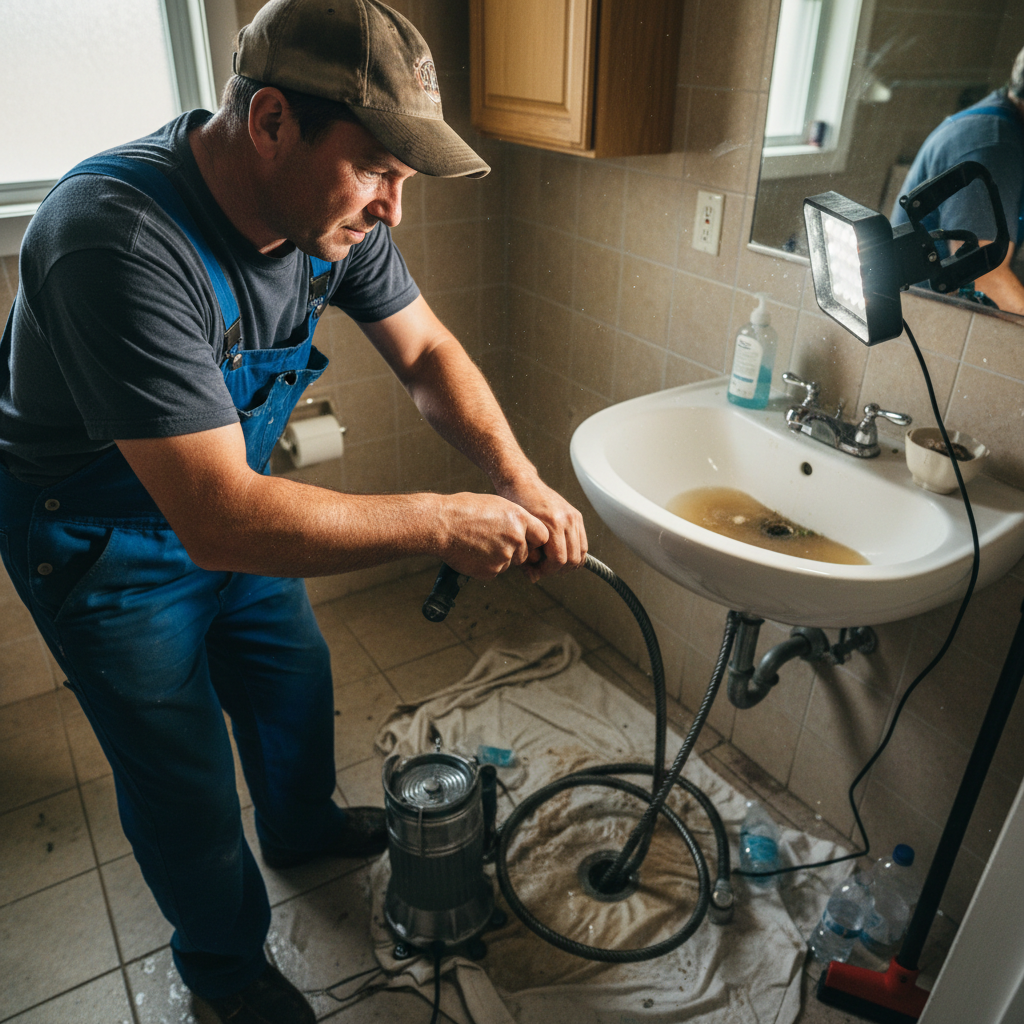
If a clog does occur, avoid using harsh chemicals, which can damage pipes. Instead, use a plunger or a plumber's snake for a more eco-friendly solution. For persistent clogs, a mixture of baking soda and vinegar can also be effective.
Understanding Water Pressure
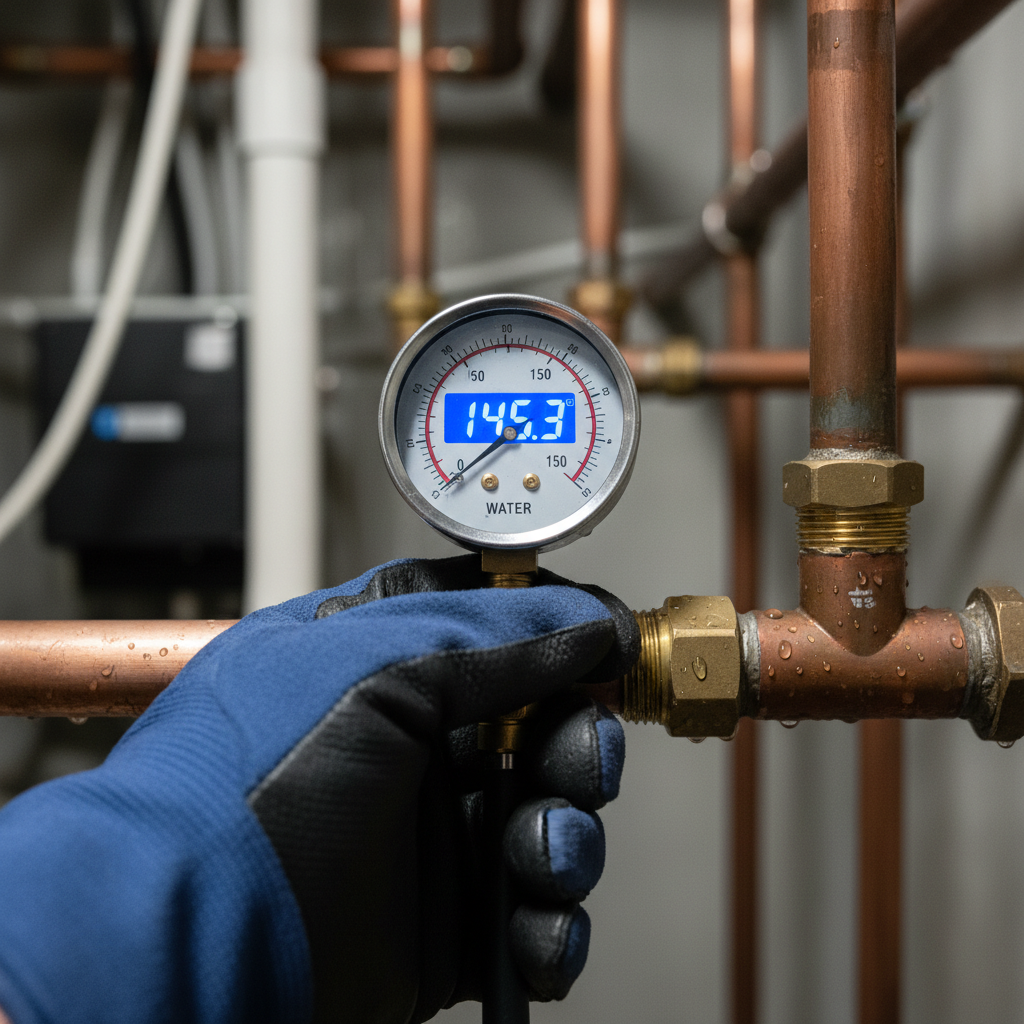
Low water pressure can indicate potential plumbing issues. Test your home's water pressure using a pressure gauge. Optimal pressure should be between 40 to 60 psi. If it's outside this range, you might need to adjust the pressure regulator or consult a professional.
Preventing Water Pressure Problems
Regular maintenance of your plumbing system can prevent water pressure problems. Check for leaks and ensure that valves are fully open. If you notice sudden drops in pressure, it may be time to have your pipes inspected for blockages or leaks.
Knowing When to Call a Professional
While DIY plumbing can save money, it's crucial to recognize your limits. If a problem seems beyond your expertise, don't hesitate to contact a licensed plumber. Attempting complex repairs without proper knowledge can lead to costly damages.
By following these DIY plumbing tips, West Chester homeowners can manage minor issues efficiently and prevent common mistakes. Remember, the key to successful plumbing is preparation, patience, and knowing when to seek professional help.