
Expert Insights: The Future of HVAC Technology


Revolutionizing Comfort: The Evolution of HVAC Technology
The heating, ventilation, and air conditioning (HVAC) industry is undergoing a transformative period driven by technological advancements. As we look to the future, it's clear that the integration of smart systems and sustainable solutions will redefine how we experience indoor climate control.

The Rise of Smart HVAC Systems
Smart HVAC systems are becoming increasingly popular due to their ability to enhance efficiency and user experience. These systems use advanced sensors and connectivity to optimize performance, providing personalized comfort settings and real-time energy monitoring. Homeowners can now control their HVAC systems remotely via smartphone apps, making it easier than ever to maintain a comfortable environment.
Moreover, smart systems can learn user preferences over time, adjusting settings automatically to maximize comfort and efficiency. This not only enhances convenience but also contributes to significant energy savings.
Energy Efficiency and Sustainability
As environmental concerns grow, the HVAC industry is prioritizing sustainability. Modern HVAC systems are designed to minimize energy consumption and reduce carbon footprints. Innovations such as variable speed compressors and energy-efficient heat pumps are leading the charge in creating more sustainable options.
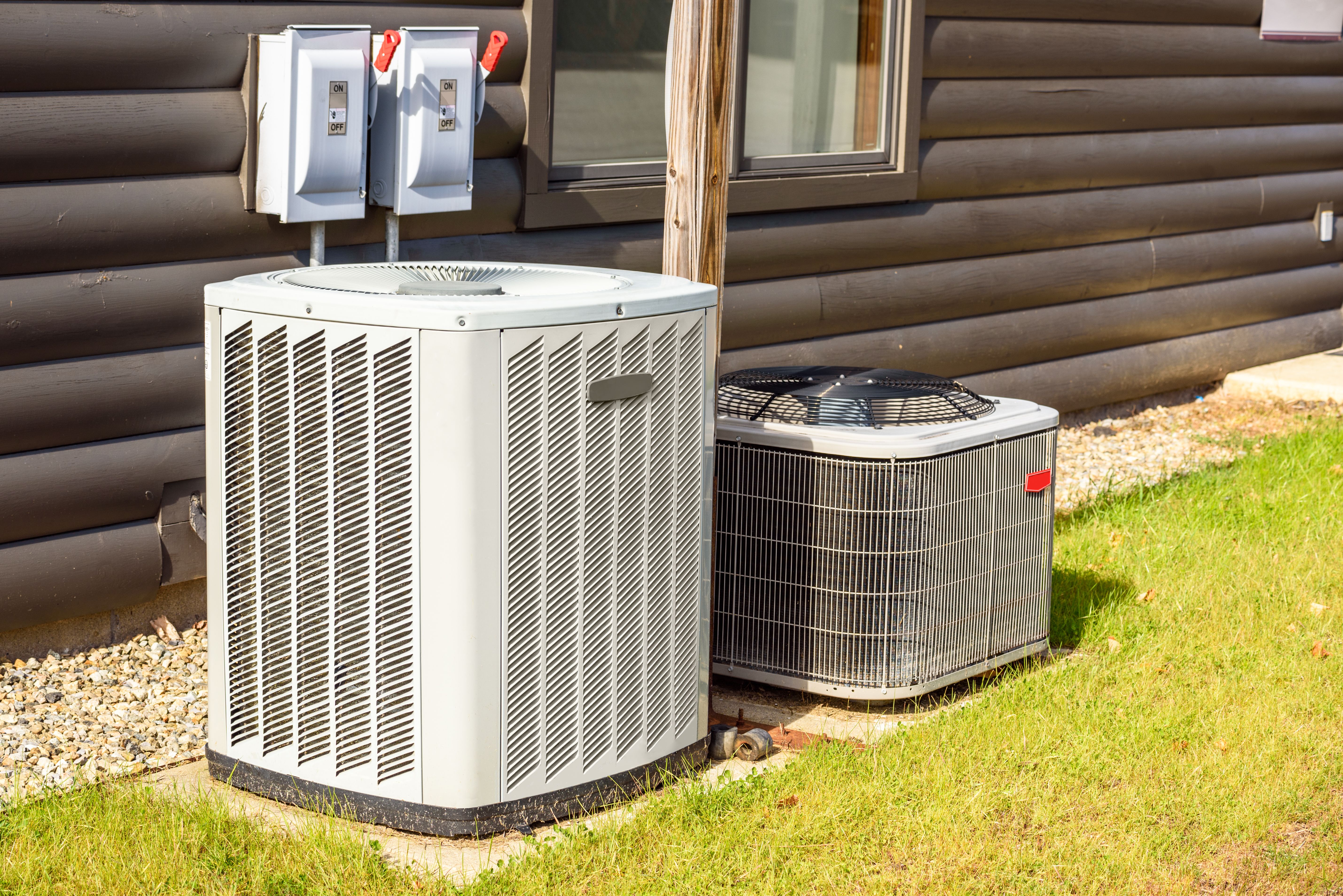
Additionally, the use of eco-friendly refrigerants is becoming more prevalent, reducing the environmental impact of HVAC systems. These refrigerants have a lower global warming potential, aligning with international efforts to combat climate change.
Integration of IoT and AI
The Internet of Things (IoT) and Artificial Intelligence (AI) are playing pivotal roles in the future of HVAC technology. IoT devices enable seamless connectivity between HVAC systems and other smart home technologies, creating a cohesive ecosystem for managing home environments.
AI further enhances this integration by analyzing data from IoT devices to predict maintenance needs and optimize system performance. Predictive maintenance can prevent costly breakdowns and extend the lifespan of HVAC systems, providing both economic and operational benefits.

Health and Air Quality Improvements
Future HVAC systems will also focus on improving indoor air quality, a crucial factor for health and well-being. Advanced filtration and purification technologies are being developed to eliminate pollutants, allergens, and pathogens from indoor air.
These systems can monitor air quality in real-time and adjust ventilation settings to ensure optimal air purity, contributing to healthier living and working environments.
Conclusion: Embracing the Future
The future of HVAC technology promises significant advancements in comfort, efficiency, and sustainability. By embracing smart systems, sustainable practices, and cutting-edge technologies, the HVAC industry is set to redefine how we experience indoor environments.
As these innovations continue to evolve, they will not only enhance our quality of life but also contribute to a more sustainable future for our planet.