
Understanding HVAC Trends: Innovations in Energy Efficiency


Understanding HVAC Trends: Innovations in Energy Efficiency
The heating, ventilation, and air conditioning (HVAC) industry is constantly evolving, with innovations aimed at enhancing energy efficiency. As environmental concerns grow, these advancements are crucial in reducing energy consumption and minimizing carbon footprints. For homeowners and businesses, understanding these trends can lead to significant savings on energy bills and a more sustainable future.
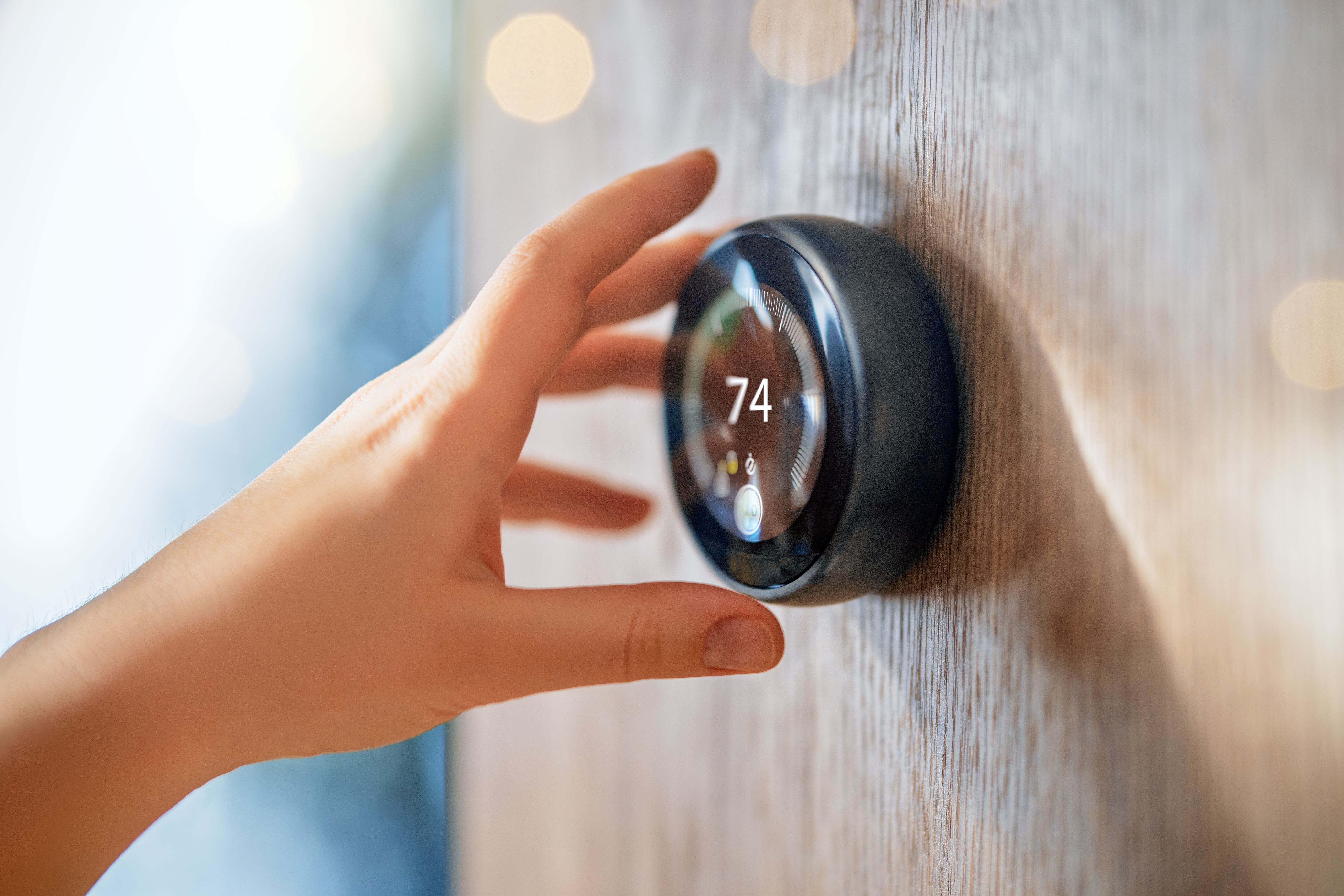
One of the most significant innovations in HVAC is the development of smart thermostats. These devices allow users to control the temperature of their homes remotely through mobile apps, optimizing energy use by learning users' habits and adjusting settings automatically. Smart thermostats can reduce energy consumption by up to 15%, making them a popular choice for eco-conscious consumers.
Energy-Efficient HVAC Systems
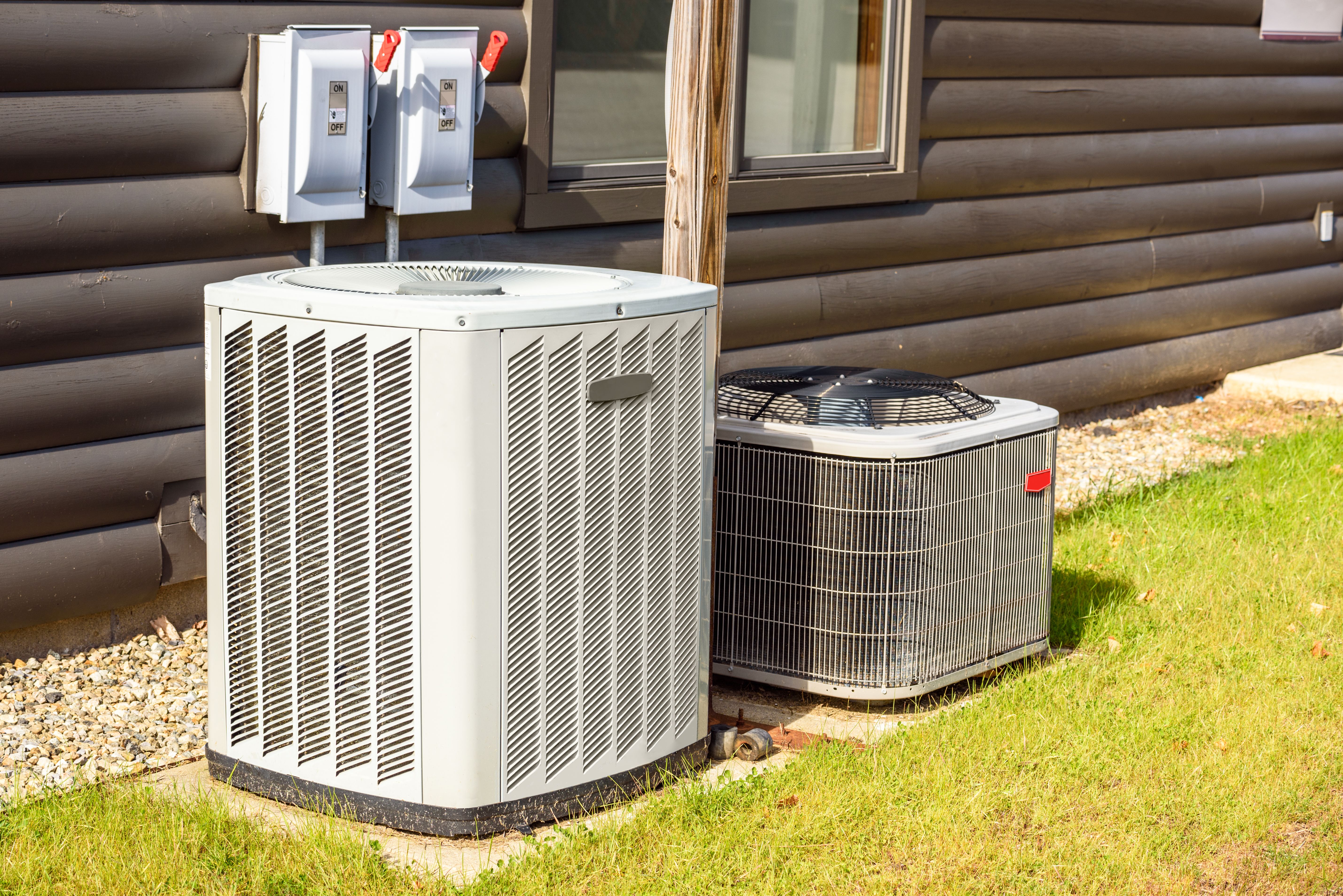
Another major trend is the rise of energy-efficient HVAC systems. Modern units are designed to use less energy while providing superior climate control. Features such as variable-speed compressors and advanced heat exchangers contribute to their efficiency. By investing in these systems, users can enjoy a comfortable environment while reducing their energy usage.
In addition to new systems, retrofitting existing units with energy-efficient components is becoming increasingly popular. This approach allows for improved performance without the need for a complete system overhaul. Upgrading components such as fans, motors, and filters can lead to significant energy savings.
Renewable Energy Integration
Integrating renewable energy sources with HVAC systems is another trend gaining traction. Solar panels and geothermal heat pumps are excellent examples of how renewable energy can be harnessed to power HVAC systems. These technologies not only reduce reliance on traditional energy sources but also offer long-term cost savings.
Geothermal systems, for instance, use the stable temperatures underground to heat and cool buildings efficiently. Although the initial investment may be higher, the energy savings and environmental benefits make them an attractive option for forward-thinking homeowners and businesses.

Improved Air Quality and Health
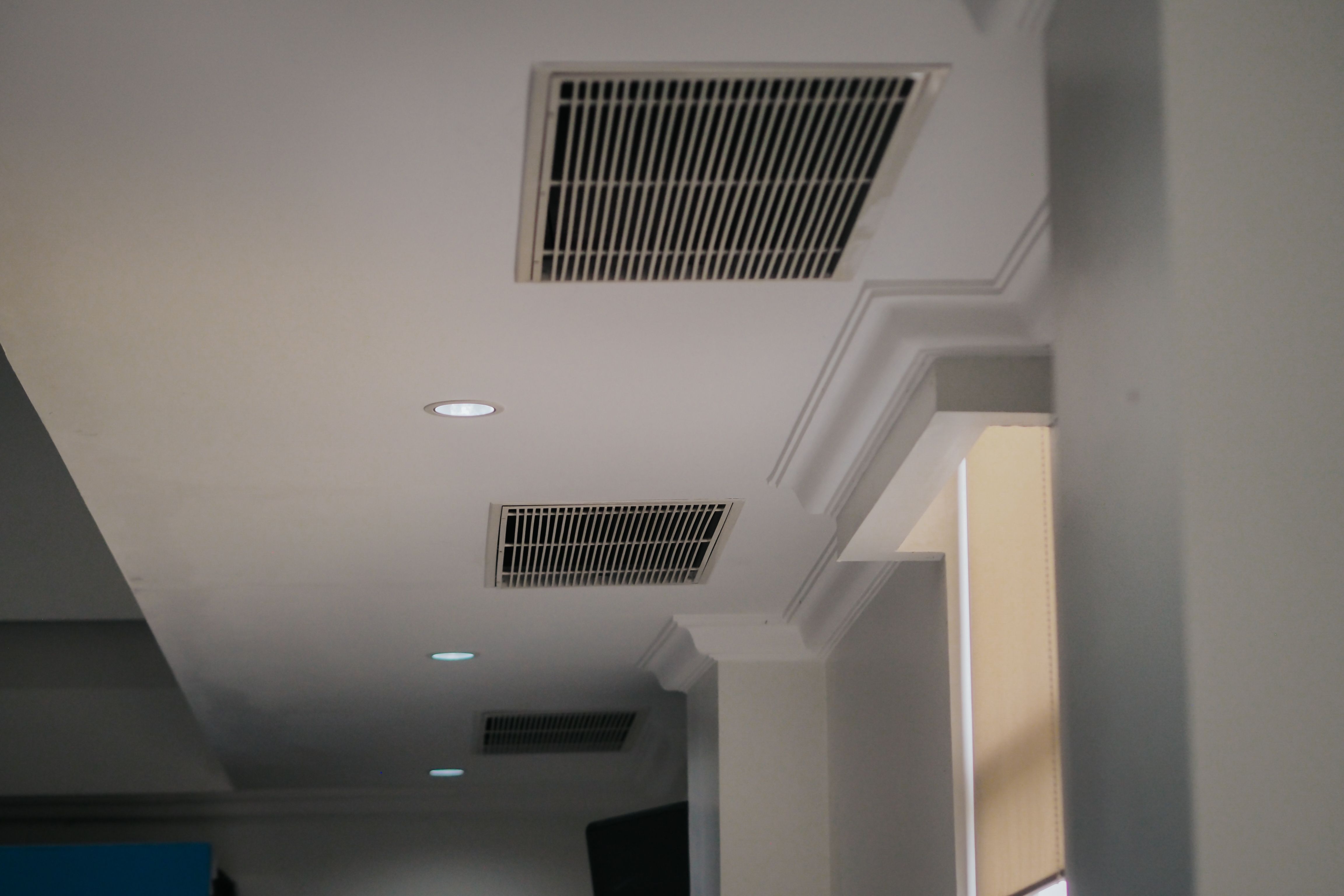
Innovations in HVAC are also focusing on improving indoor air quality, which is crucial for health and well-being. Advanced filtration systems can remove pollutants and allergens, ensuring cleaner air inside homes and workplaces. Technologies like ultraviolet (UV) lights and ionization can further enhance air quality by eliminating harmful microbes.
Maintaining a healthy indoor environment is more important than ever, and modern HVAC systems are equipped to meet these demands. By investing in systems with advanced air purification technologies, users can enjoy not only energy efficiency but also improved health outcomes.
The Future of HVAC
As technology continues to evolve, the HVAC industry is expected to see even more innovations in energy efficiency. The integration of artificial intelligence and machine learning could further optimize system performance, predicting maintenance needs and adjusting operations for maximum efficiency.
Consumers and businesses stand to benefit greatly from these advancements. By staying informed about the latest trends and investing in innovative technologies, they can achieve a balance between comfort, cost savings, and sustainability. The future of HVAC is bright, with energy efficiency at its core.