
Understanding the Latest HVAC Trends: Innovations Shaping the Industry


Smart HVAC Systems
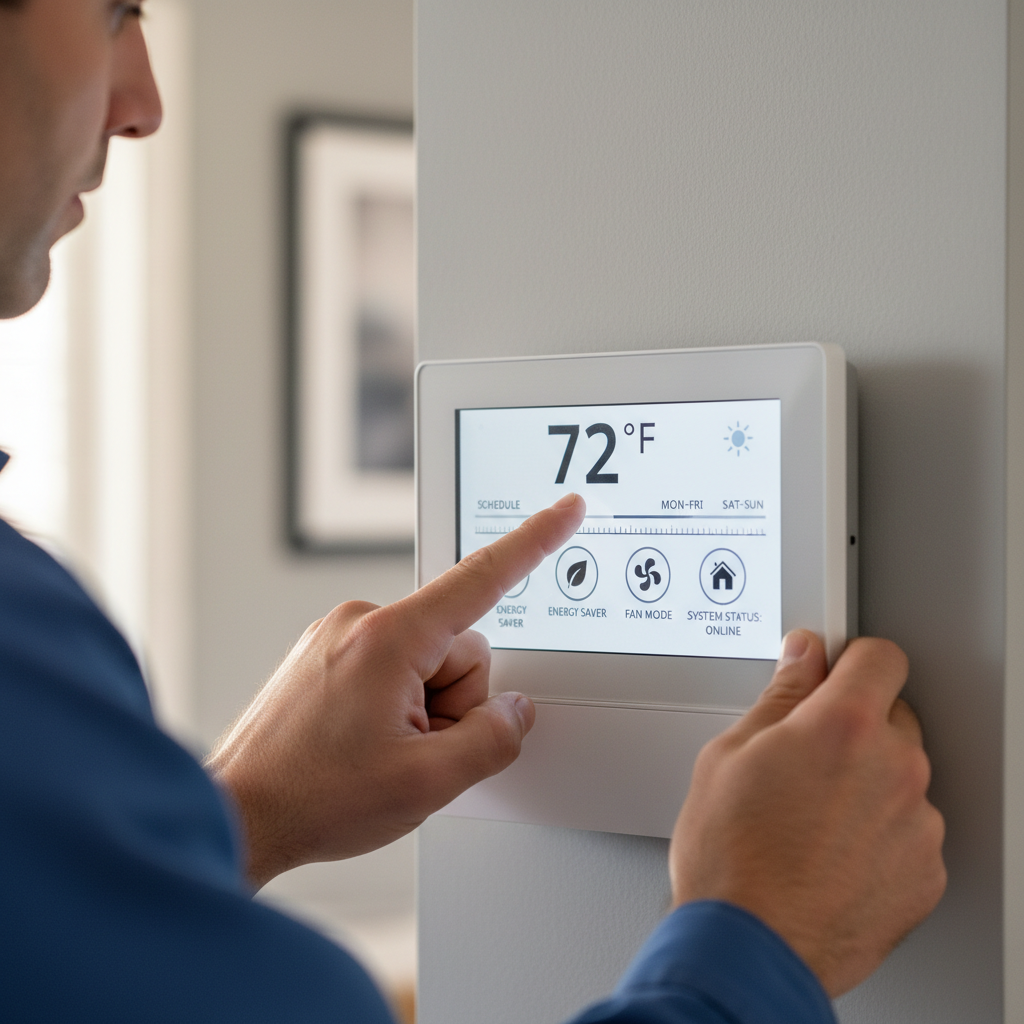
The rise of smart technology has significantly impacted the HVAC industry. Smart HVAC systems are equipped with sensors and IoT capabilities, allowing homeowners to control their heating and cooling systems remotely. These systems offer the convenience of adjusting temperatures and settings through smartphone apps, making them more accessible than ever.
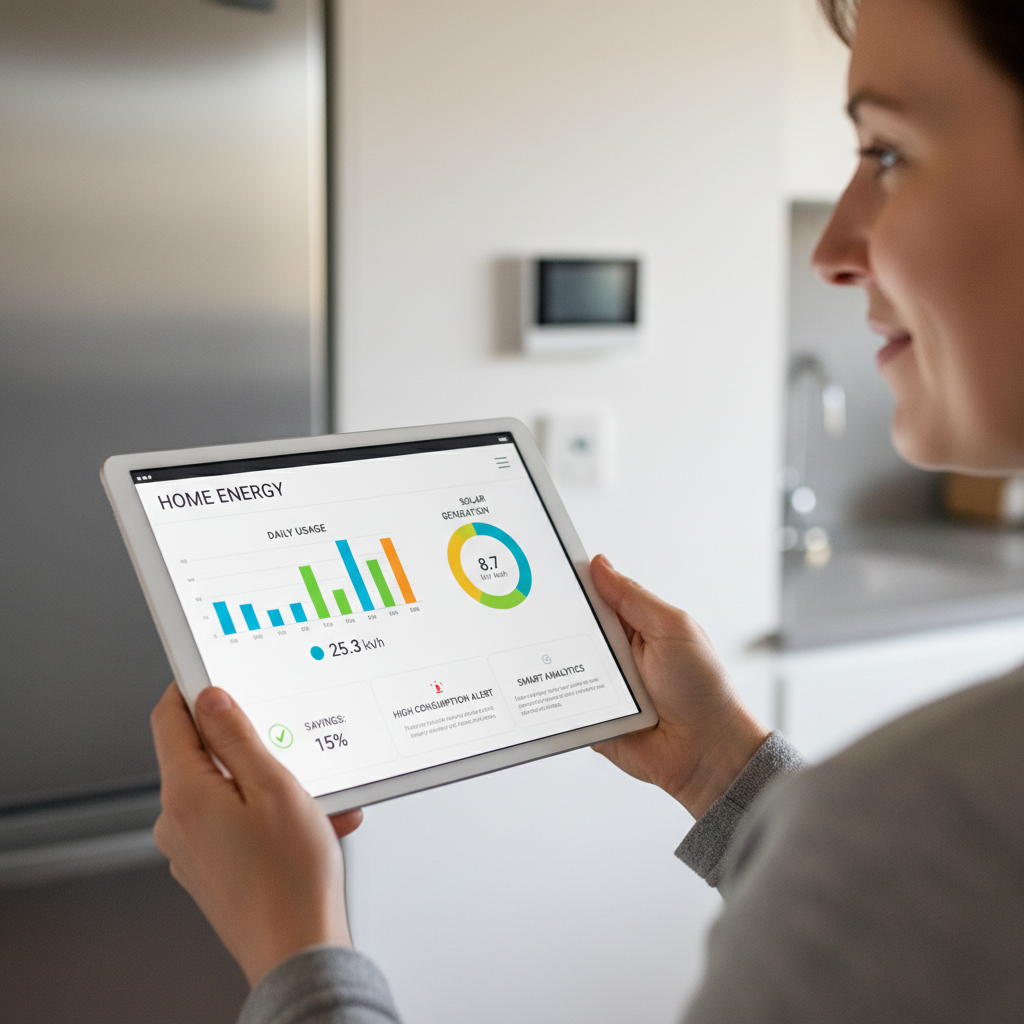
Additionally, smart HVAC systems provide valuable data on energy consumption. This data helps users optimize their usage patterns, ultimately leading to energy savings and reduced utility bills. The integration of AI in these systems also means they can learn user preferences over time, further enhancing efficiency.
Energy Efficiency Innovations
Energy efficiency remains a top priority in the HVAC industry. Recent innovations have focused on reducing energy consumption while maintaining optimal performance. Variable speed compressors and advanced heat exchangers are just a few examples of technologies that contribute to this goal.
Moreover, the use of eco-friendly refrigerants is becoming more prevalent. These refrigerants have lower global warming potentials and are less harmful to the environment. As regulations become stricter, the HVAC industry continues to innovate in this area to meet compliance standards.
Integration of Renewable Energy
Integrating renewable energy sources with HVAC systems is an exciting trend. Solar-powered HVAC systems, for example, utilize solar panels to provide energy for heating and cooling. This integration not only reduces reliance on traditional energy sources but also lowers carbon footprints.
Furthermore, some systems are designed to work seamlessly with home energy management systems, allowing for a more holistic approach to energy consumption. This trend aligns with the growing consumer demand for sustainable solutions.
Air Quality and Health
With increased awareness of indoor air quality, HVAC systems now focus on enhancing air purification and ventilation. Advanced filtration systems and air purifiers are being integrated into HVAC units to remove pollutants, allergens, and bacteria from the air.
This focus on air quality is particularly important in urban areas where pollution levels are higher. By improving indoor air quality, these systems contribute to better health and well-being for occupants.
Customization and Flexibility
Today's consumers expect more personalized experiences, and the HVAC industry is responding with customizable solutions. Zoned HVAC systems allow different areas of a building to be heated or cooled independently, providing greater comfort and efficiency.
This flexibility is especially beneficial in larger homes or commercial spaces, where different zones may have varying heating and cooling needs. By offering tailored solutions, HVAC providers enhance user satisfaction and operational efficiency.
Predictive Maintenance
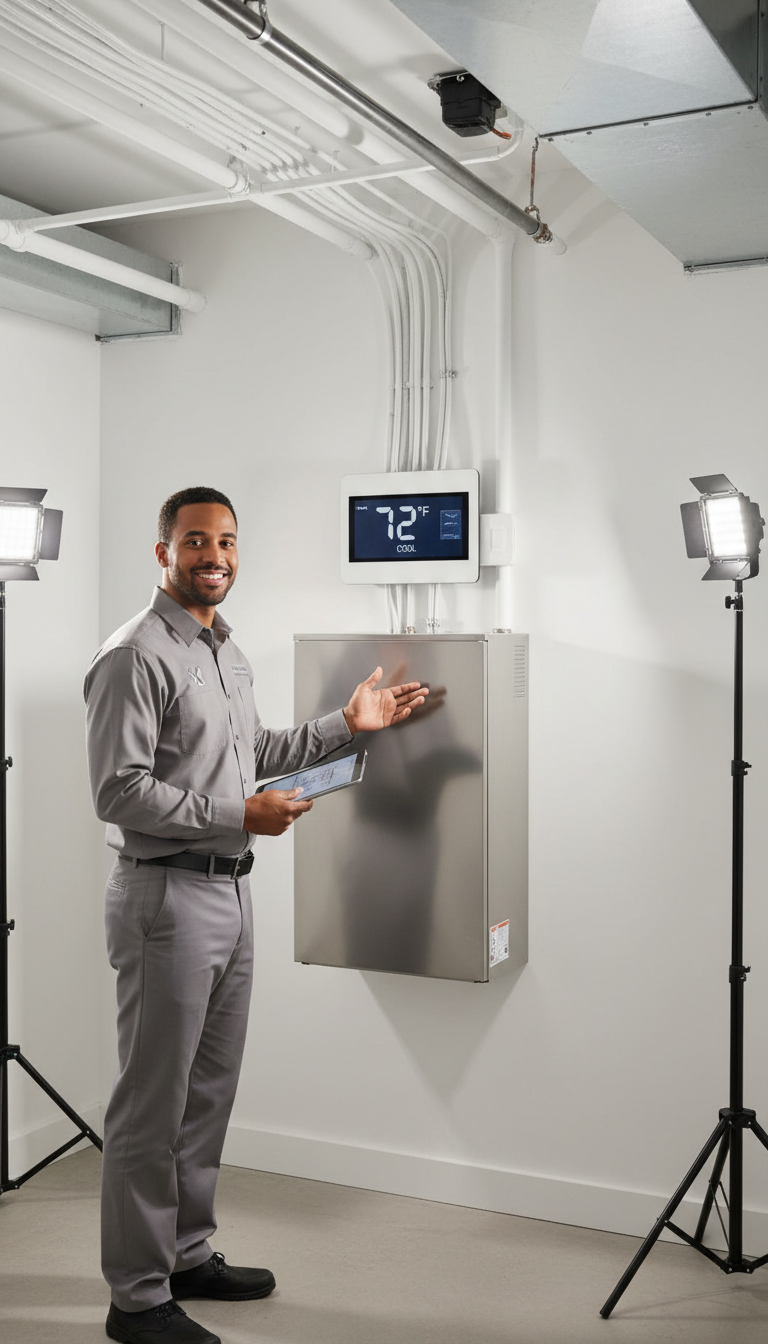
Predictive maintenance is transforming how HVAC systems are serviced. By using data analytics and machine learning, these systems can predict when maintenance is needed, reducing the risk of unexpected breakdowns and extending the lifespan of equipment.
This approach not only saves costs associated with emergency repairs but also ensures that systems operate at peak efficiency. As predictive maintenance becomes more sophisticated, it is set to become a standard practice in the industry.